Timber processingExample scenario

Case study
Conveyor alerts, technician checks, and repair history stay with the asset through every handoff.
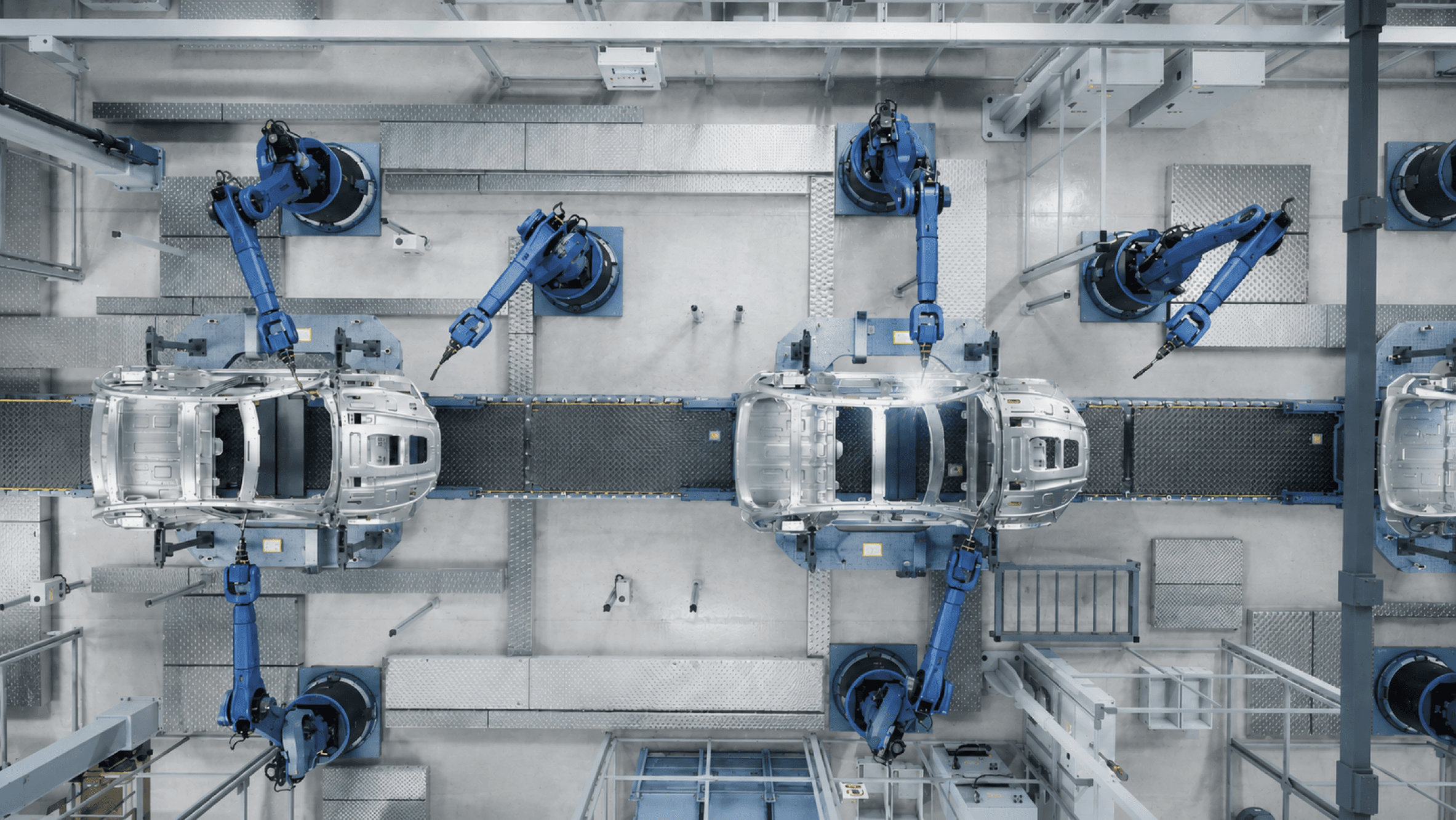
An assembly conveyor runs across shifts. When the same drive keeps returning to the maintenance queue, each technician needs to see what the last person found.
In this illustrative Ferrova scenario, condition sensors monitor the conveyor drives around the clock. One drive develops a recurring vibration alert. Technicians can restore service, but the checks and adjustment notes are scattered across shift books and messages.
The supervisor needs to distinguish a new problem from a repeat visit. That requires the original alert, earlier findings, parts changed, and return-to-service checks together on the asset record.
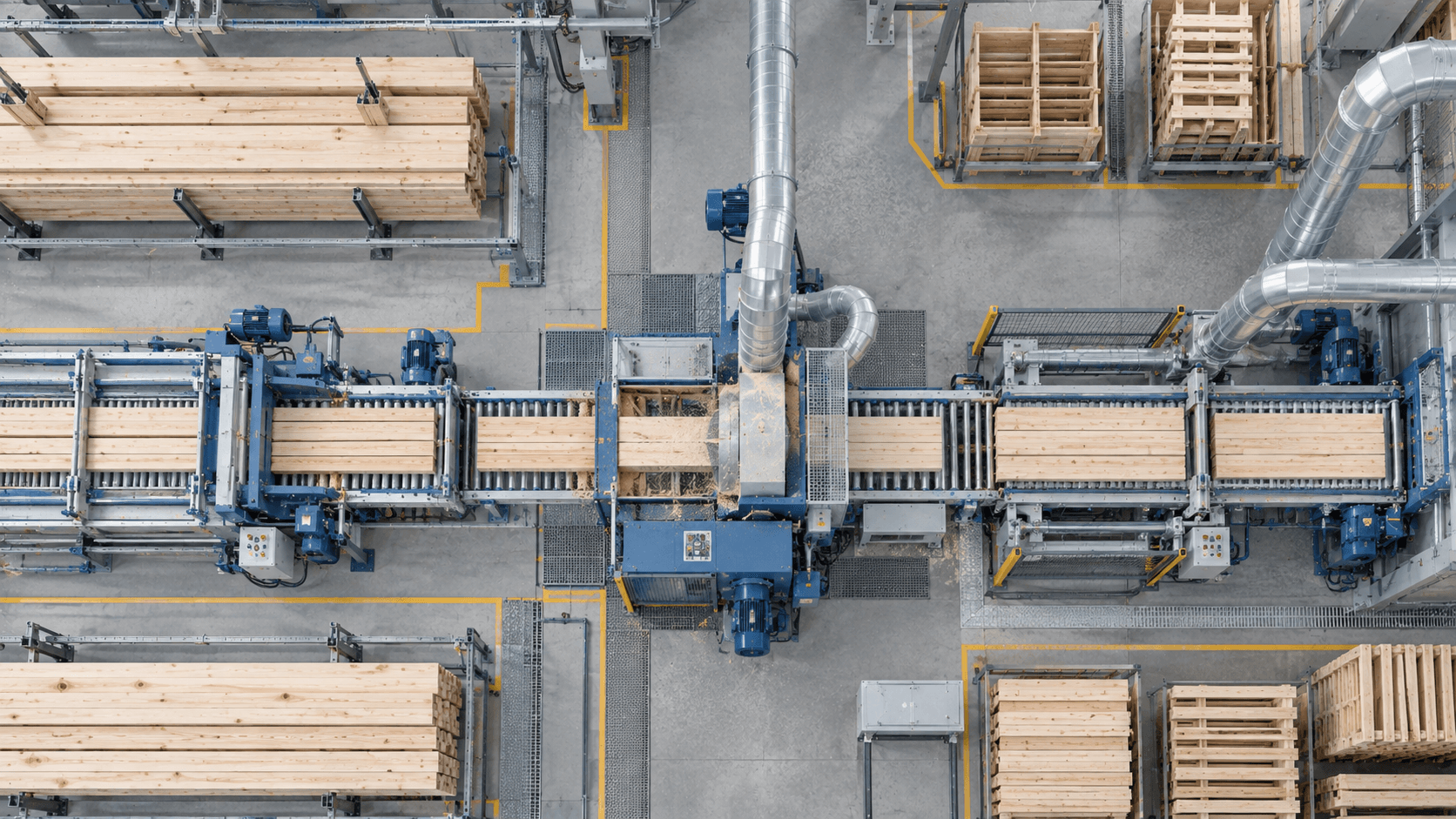
Ferrova is an example account. The operating events and figures in this story are illustrative, rather than measured customer results. The photograph represents the industry.
Illustrative work plan
Connect the alert
Open the conveyor’s recent work and findings.
Prepare the repair
Agree the part, procedure, and line window.
Hand over the result
Leave the next shift a completed check record.
The supervisor links the alert to the affected conveyor and reviews its recent work. The repeated callouts become one investigation with a clear owner, rather than separate jobs that each start from the latest symptom.
The technician follows the assigned inspection procedure and records the findings. The planner uses those findings to prepare the bearing repair, including the replacement part, approved procedure, and production window. The next shift receives the same work order with the work already completed clearly recorded.
After the repair, the team documents its checks under the agreed operating conditions. A follow-up inspection remains on the schedule. If the condition changes again, the new reading can be reviewed alongside this repair and the earlier visits.
The illustrative six-week log moves from eight repeat callouts in week one to three in week six. A repeat callout means a new work order for the same conveyor fault within seven days of the previous closure. The scope stays on the same assembly line.
The example does not treat closing a ticket as proof that a fault has disappeared. The team records its return-to-service checks and keeps the follow-up inspection open until the agreed check is completed.
For the supervisor, that creates a useful shift handoff: what was found, what was changed, what was tested, and what still needs attention. The next technician can continue from that record.
Every shift can see what was found and changed. The next callout begins with the history of the fault.
More case studies
See Canary in action