Timber processingPSW Pack & Stack Woods

Case study
ABB Wood improved OEE from 56% to 68% and on-time production jobs from 72% to 88%.
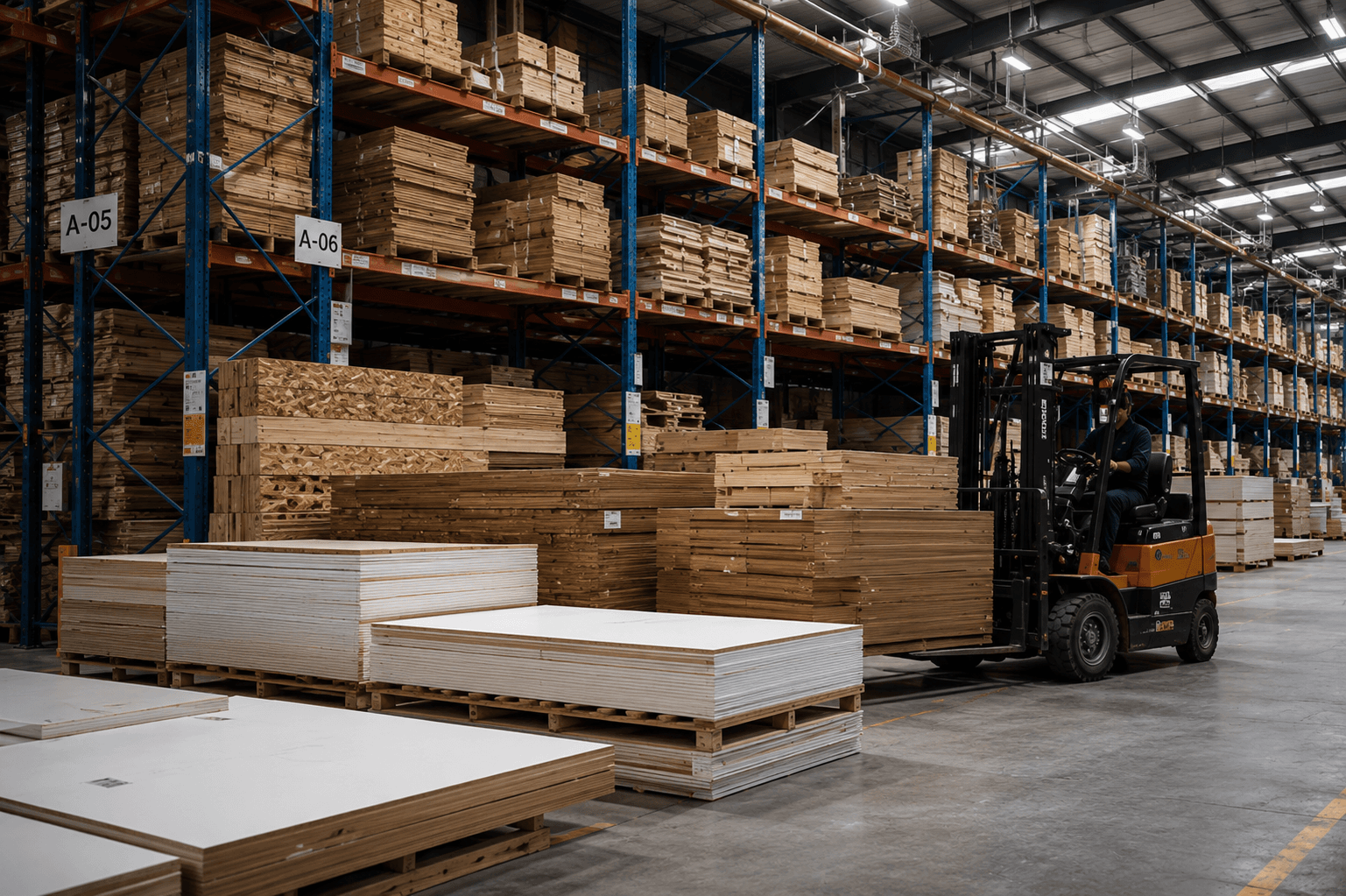
ABB Wood needed to understand why scheduled jobs kept slipping.
Paper maintenance records and spreadsheet tracking made it difficult to connect downtime with production performance. The team faced frequent stops and struggled to monitor OEE, while production fell short of scheduled job targets.
A missed target could reflect a breakdown, slow running, or rejected output. A single end-of-shift total could not explain which loss mattered most. Maintenance and production needed a shared review of the equipment history and the actual output behind that total.
The approach
Agree the baseline
Use consistent run-time, output, and quality definitions.
Trace the loss
Review production shortfalls beside asset and repair history.
Assign the next action
Plan the maintenance work and review the next period.
Canary keeps equipment history and maintenance work together. Each repair can carry the affected asset, assigned technician, findings, and follow-up action, so recurring faults can be reviewed against the production shortfall.
OEE combines availability, performance, and quality. Maintenance history explains equipment stops; production records supply planned run time, cycle times, output, and rejects. Reading those records together helps distinguish time lost to breakdowns from slow running or rejected output.
The maintenance workflow turns an actionable equipment loss into assigned work. The planner can prepare parts and procedures, agree time with production, and use the equipment history to check for recurring problems.
ABB Wood increased OEE from 56% to 68%, a 12 percentage-point improvement. Scheduled production jobs completed on time rose from 72% to 88%, a gain of 16 percentage points.
OEE describes how effectively planned production time is used. On-time job completion shows whether the team meets its schedule. Together, the results show better equipment effectiveness alongside a more dependable production plan.
The takeaway
Start with the loss behind the number. Give it an owner, a maintenance action, and a date to review.
More case studies
See Canary in action