Automotive manufacturingExample scenario

Case study
A conveyor bearing alert becomes a planned repair, with the spare and procedure ready.

At PSW, a feed conveyor sets the pace for the timber line. A worn bearing can leave cut boards waiting and the next shift short of material.
In this illustrative scenario, the maintenance team is preparing for a four-hour service window. A condition alert shows a change in the conveyor drive. The technician checks the reading against the asset history and confirms that the bearing needs attention.
The difficult part is preparing the job. The bearing reference sits in an old parts sheet, the isolation procedure is stored separately, and the last repair notes describe a fit issue that the incoming technician has never seen. Every missing detail puts pressure on a short maintenance window.
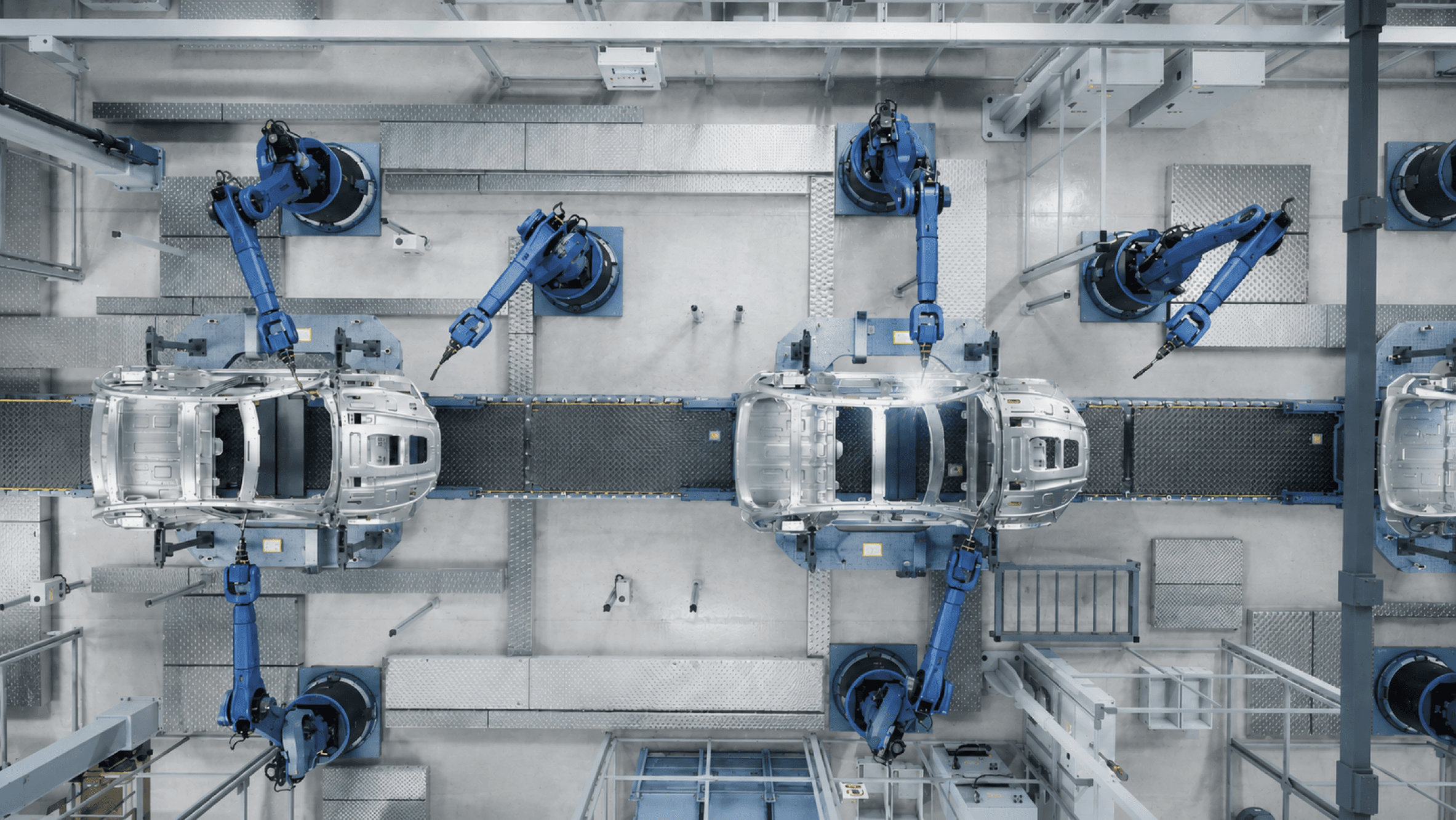
This story uses an example operating scenario for PSW. The events and figures are illustrative, rather than measured customer results. The photography is generated.
Illustrative work plan
Review the condition
Confirm the drive bearing needs attention.
Ready the job
Stage the spare, procedure, and technician.
Verify the repair
Record the checks and schedule a follow-up.
The planner opens a work order against the feed conveyor and attaches the condition alert. Recent repair notes help the team identify the bearing assembly and the checks needed before the drive returns to service.
The stores team confirms the replacement bearing and associated consumables. The planner adds the parts, approved isolation procedure, repair checklist, assigned technician, and scheduled window to the same job. Production can see what is planned before releasing the conveyor.
During the stop, the technician records the inspection findings, parts used, and completed checks. The supervisor reviews the return-to-service record and adds a follow-up inspection. The next person opening this asset can see what changed and why.
In the example, the bearing replacement fits inside the planned stop. The team starts with the correct spare and a complete work pack, then closes the repair with a record the next shift can use.
Across the six-week illustrative period, on-time completion rises from 11 to 18 of the 20 jobs due each week. The count covers the same timber-line maintenance team and includes every scheduled job; deferred jobs remain in the denominator.
The useful change is visible before the stop begins: the planner can tell which jobs have their parts, procedure, and owner ready. Jobs still missing a prerequisite stay visible for the next planning review.
The next shift inherits the repair history. The next planned stop starts with a better work pack.
More case studies

See Canary in action