
Timber processingExample scenario

Case study
HVAC alerts and planned service share a schedule, with access details ready for each visit.
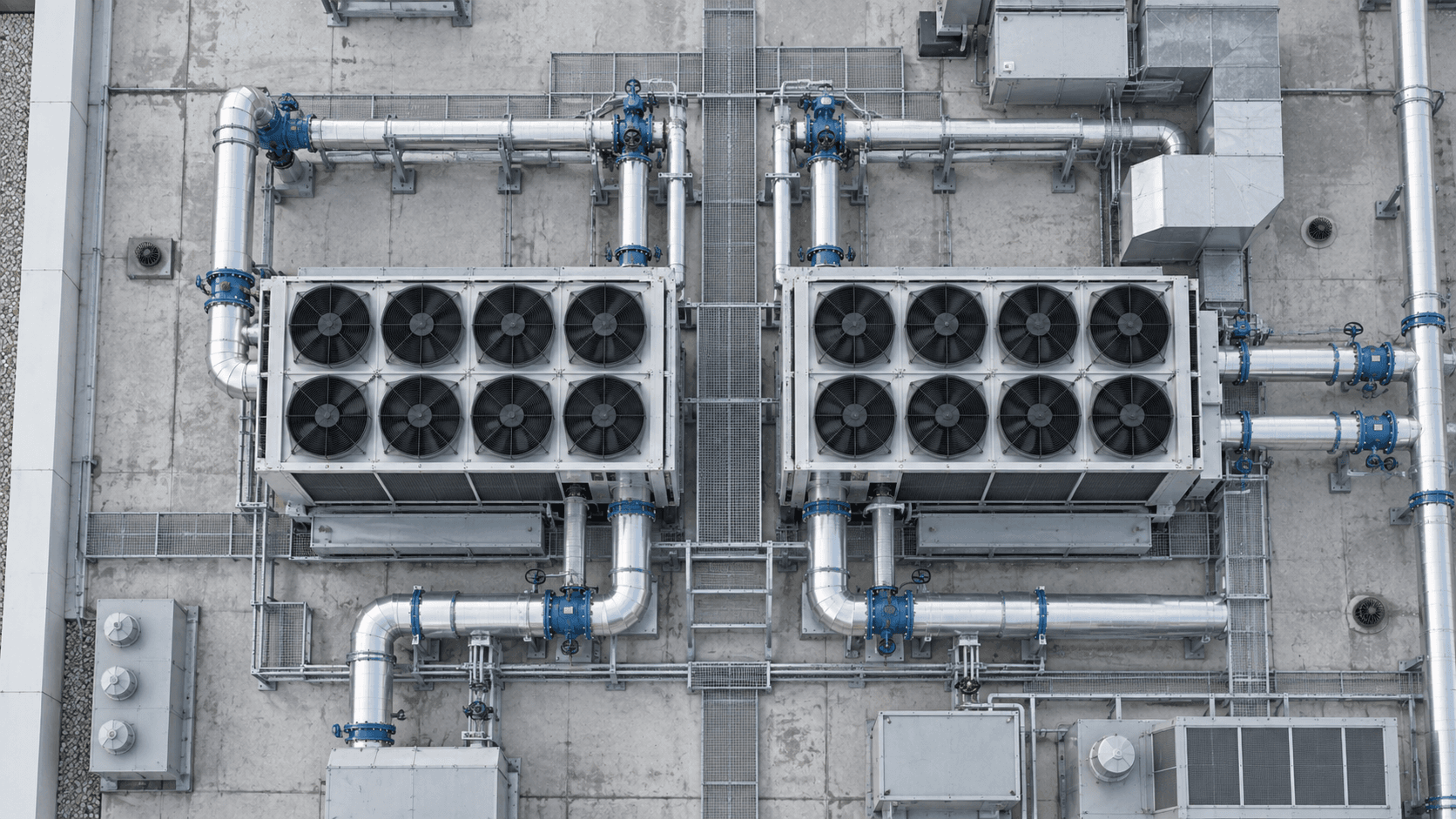
Northline’s facilities team looks after cooling equipment across three office buildings. Each visit needs a technician, an access window, and a clear account of the problem.
In this illustrative scenario, a rooftop unit develops an abnormal condition before the next scheduled service. The facilities coordinator also has an occupant cooling complaint to investigate. These two reports need to meet at the same asset.
The contractor’s last service notes sit in an email thread. Roof access depends on the building contact, and another planned visit is already on the calendar. The coordinator needs enough context to prepare a useful visit and avoid sending two people to the same equipment.
Northline is an example account. The buildings, events, and figures are illustrative, rather than measured customer results. The photography is generated.
Illustrative work plan
Review the issue
Connect the cooling complaint and asset alert.
Arrange the visit
Confirm access, assignee, and service checklist.
Close the loop
Record the findings and the next service date.
The coordinator links the condition alert and the reported comfort issue to the rooftop unit. The asset record brings together earlier service work and the current inspection checklist.
The work order names the technician, building, access arrangements, and planned service time. The team checks it against the existing maintenance schedule and decides which routine checks can be completed during the same visit.
On site, the technician records the findings, work completed, and any parts used. The coordinator reviews the outcome, confirms the follow-up action, and updates the building contact. The record stays with the equipment for the next planned visit.
Across the six-week illustrative schedule, on-time service rises from seven to eleven of the twelve visits due each week. The count covers planned HVAC visits across the same three buildings. A visit counts only when the service record is completed by its scheduled due time.
Access restrictions and jobs waiting on parts remain visible on the schedule. The coordinator can see what requires a new appointment and which building contact needs an update.
The practical result is a more complete handoff. The technician arrives with the asset history and access details; the coordinator receives a service record with findings and next actions. Each building keeps its own history within a shared maintenance schedule.
The technician knows the equipment and the access plan. The coordinator knows what was completed and what comes next.
More case studies

See Canary in action